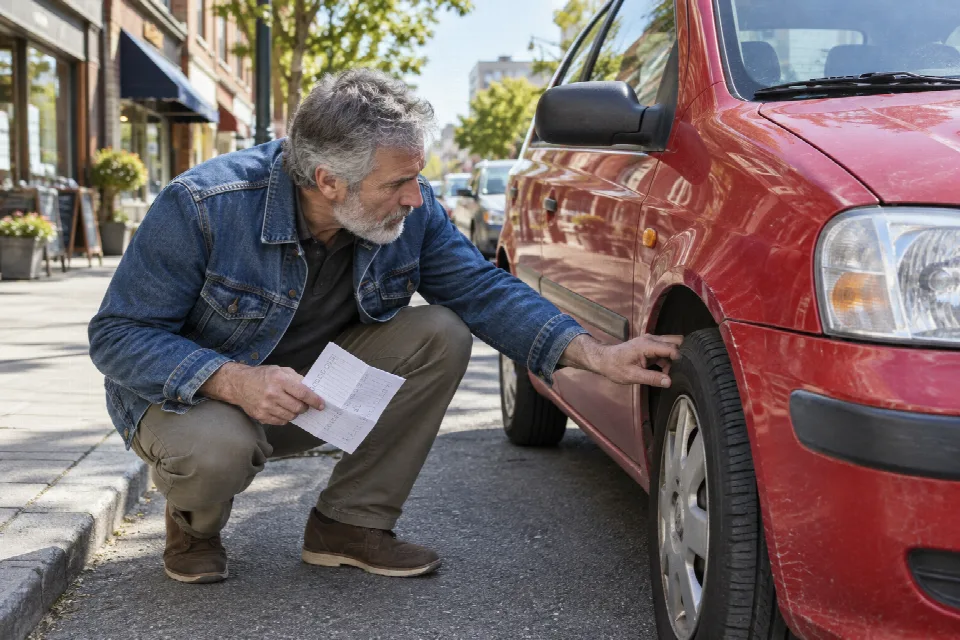
A car that fits your budget on the day you buy it still needs to work for your household afterward. Give yourself time to check its history, try it in everyday conditions and have it inspected before making a commitment.
Set a budget for the car and ownership costs
Start with an amount you are comfortable spending, then consider the costs of owning the car. Research fuel use, reliability and common repairs for the make and model you’re considering. Look through any available service records to see what maintenance has been done and what questions to ask about future work.
If you’re considering financing, review the full terms as well as any payment amount. Leave room in your plan for an inspection and possible repairs. For questions about financing, consider speaking with a qualified financial professional.
Check the vehicle history, title and VIN
Ask for the vehicle identification number, or VIN, and compare it with the VIN on the car, the title and the vehicle history report. Check that the title is in the seller’s name and ask about any lien. If the numbers or ownership details don’t match, pause and ask for clarification before proceeding.
A history report can show reported accidents, title brands such as salvage or flood, odometer discrepancies, ownership history and service records. Read it alongside the seller’s account and ask about anything that is unclear. A report is one part of your review, not a substitute for seeing and inspecting the car.
Review safety ratings, recalls and family needs
Use the VIN to check for open safety recalls at NHTSA.gov/recalls. Ask the seller about any unrepaired recall and how it could be addressed. Review crash-test ratings from NHTSA or the Insurance Institute for Highway Safety for the model you’re considering.
Make a list of features and space your household needs. For example, check for child-seat anchors and safety features such as automatic emergency braking or blind-spot warning. Bring your child seat or stroller along, if practical, to see how it fits and how easily you can use the space.
Inspect the car inside and out
Look over the car carefully rather than relying on photos. Note anything you want the seller or mechanic to explain:
- Outside: Look for rust, damage, mismatched paint and uneven panel gaps, which can be signs of repairs.
- Inside: Compare wear with the stated mileage. Look for water stains and notice any musty odor, which can be a sign of flood damage.
- Tires: Check the tread and look for uneven wear.
- Under the hood: Look for leaks and check the visible condition of fluids, belts and hoses.
Keep a note of concerns to discuss during the independent inspection. Your own look around is useful, but you don’t have to diagnose problems yourself.
Take a thorough test drive
Allow enough time to get a feel for the car. Pay attention to how it steers and brakes, whether it operates smoothly and whether you hear unusual noises. Note when a concern occurs so you can describe it to the mechanic.
Think about your regular trips, too. Can you comfortably see around you? Is there room for the people and belongings you usually carry? Try the controls you expect to use and check that the driving position feels workable for you.
Arrange an independent mechanic’s inspection
Before finalizing a deal, arrange a pre-purchase inspection with an independent mechanic you trust. An inspection can help identify mechanical problems that aren’t apparent from a visual check. Ask what the inspection covers and what it will cost before booking.
Share your notes from the history report, visual check and test drive. Ask the mechanic to explain any concerns and which work may need attention. Use that information to reconsider the car and its likely costs. If the seller won’t allow an independent inspection, consider walking away.
Review the price and paperwork before paying
Compare the asking price with other listings and price guides for similar cars. Consider the car’s condition and the inspection findings as well as the advertised amount. If something remains unresolved, give yourself time to decide rather than paying under pressure.
Read the paperwork and check that the vehicle details and agreed terms match your understanding. Ask for explanations of anything unclear before signing or paying. If you have questions about the title or your obligations, consult an appropriate qualified professional.
Sources
- https://www.consumerreports.org/cars/how-to-inspect-a-used-car-a1377126659/, www.consumerreports.org
- https://www.nerdwallet.com/auto-loans/learn/used-car-inspection-checklist, www.nerdwallet.com
- https://www.consumerreports.org/cars/buying-a-car/how-to-protect-yourself-when-buying-a-used-car-a7040550851/, www.consumerreports.org
- https://www.kbb.com/car-advice/vehicle-history-report/, www.kbb.com
- https://www.motcheckup.co.uk/guides/used-car-buying-checklist, www.motcheckup.co.uk
- https://www.consumerreports.org/cars/used-cars/how-to-buy-a-safe-used-car-a9881278943/, www.consumerreports.org
- https://www.consumerreports.org/cars/buying-a-car/how-to-buy-a-used-car-a5221672417/, www.consumerreports.org
- https://www.consumerreports.org/cars/used-cars/buying-guide/, www.consumerreports.org
- https://www.nhtsa.gov/recalls, www.nhtsa.gov
Savings ideas, once a week
One short email with new tips and guides. No spam, and you can unsubscribe any time.