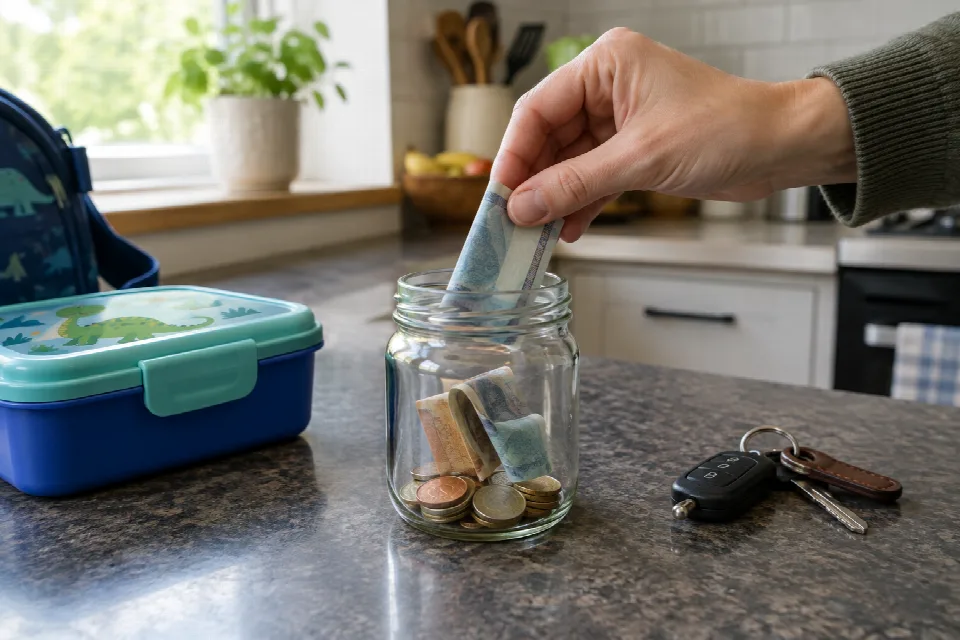
When money is already stretched, saving for an unexpected expense can feel like one more demand on your budget. An emergency fund doesn’t have to begin with a large deposit, though. Small, regular contributions are one way to start building the habit.
The ideas below are options to consider, not a prescription for every household. A plan that leaves room for your essential bills and can change when circumstances do may feel more manageable.
What an emergency fund is for
An emergency fund is money set aside for an unplanned expense, such as a car repair or medical copay. Having a separate pot for surprises can give you another option when a bill arrives that wasn’t part of your regular budget.
It may help to think about what counts as an emergency for your household before you need the money. An urgent repair might qualify, while a planned celebration could have its own savings category. Your definition can change as your family’s needs change.
Choosing a manageable starting goal
Some emergency savings guidance suggests a starter target of $500 to $1,000 before working toward several months of essential expenses. Those figures are reference points, not requirements. A smaller first milestone may be easier to fit into a tight budget.
One way to choose a first goal is to consider an unexpected cost you would like to be better prepared for. Then think about an amount you could set aside without making it harder to cover necessities. If the first target feels out of reach, breaking it into smaller milestones may make progress easier to see.
Ways to set aside small amounts
A regular contribution doesn’t need to be large. Some guidance suggests starting with $5 or $10 a week or per paycheck. If that doesn’t fit, you could choose another amount or save only when there is room in the budget.
Another option is to arrange a recurring transfer from checking to a separate savings account after payday. Automation can make the transfer part of your routine, though it’s worth choosing an amount and timing that work with your bills. If your income varies, moving money manually when you can may be a better fit.
You can also adjust your contribution as circumstances change. Pausing or reducing it during a difficult month doesn’t mean the plan has failed; it may simply mean the plan needs to reflect what is possible now.
Finding money to put toward savings
Looking through recent spending can help you spot choices you may want to revisit. Depending on your household, that might mean canceling an unused subscription, trying a generic product or ordering takeout less often. You could direct some or all of the money you free up toward your fund.
Occasional money can be another opportunity. If you receive a tax refund, gift, bonus or rebate, you might decide to save a portion while using the rest for other priorities. There’s no need to commit the whole amount if your household has more pressing expenses.
Options for keeping savings accessible
A separate savings account is one option for keeping emergency money apart from everyday spending. A high-yield savings account is another option to explore; it may offer interest while keeping the money accessible.
When considering an account, questions to ask include: How quickly could I get the money if I needed it? Are there fees, balance requirements or limits that matter to me? How would I transfer money in and out? Reviewing the account’s terms can help you decide whether it fits the way you expect to use the fund.
Reviewing the plan and seeking financial guidance
You might revisit your goal when your income, bills or family needs change. If you use the fund for an emergency, you can consider when and how to replenish it rather than expecting to replace the money immediately.
If you’re unsure how emergency savings fits alongside bills, debt or other priorities, consider speaking with a qualified financial professional. They can discuss your circumstances and help you explore options. The aim is a plan you understand and can adjust as life changes.
Sources
- https://www.consumerfinance.gov/an-essential-guide-to-building-an-emergency-fund/, www.consumerfinance.gov
- https://www.bankrate.com/banking/savings/starting-an-emergency-fund/, www.bankrate.com
- https://www.td.com/us/en/personal-banking/learning/saving-budgeting/when-life-throws-a-curveball-tips-from-td-on-how-to-build-an-emergency-fund-on-a-tight-budget, www.td.com
- https://www.cnbc.com/select/how-to-build-emergency-fund-when-you-live-paycheck-to-paycheck/, www.cnbc.com
- https://joingerald.com/learn/money-basics/emergency-savings-tight-budget-strategies, joingerald.com
- https://www.cnet.com/personal-finance/banking/yes-you-can-build-an-emergency-fund-even-if-youre-starting-at-0-heres-how/, www.cnet.com
Savings ideas, once a week
One short email with new tips and guides. No spam, and you can unsubscribe any time.