A lower home insurance premium can make room in a tight household budget. But the price is only part of the picture: a less expensive policy may not offer the same protection as the one you have. Start by looking for savings that do not require reducing the coverage your household relies on.
Shopping around, checking discounts and reviewing policy details are all places to start. An insurance agent or other qualified insurance professional can help you compare options for your home and explain the trade-offs.
Comparing quotes with matching coverage
Insurers can charge different rates for similar coverage, so gathering several quotes can be a useful first step. You can request quotes directly or work with an independent agent.
Use your current policy as a starting point. Ask for quotes with matching dwelling, personal property and liability limits, as well as the same deductible. Check optional coverage, exclusions and other terms too. If a quote differs, ask the insurer to explain the difference before using the premium alone to judge it.
Keep the quotes and your questions together so you can review them without rushing. If you decide to switch, confirm the start date of the new policy and the end date of the old one with the insurers.
Bundling and other available discounts
Some insurers offer a discount when you buy more than one type of policy from them, such as home and auto insurance. Bundling does not require you to lower your home coverage limits, but it is still worth comparing the combined cost with separate policies that offer the protection you need.
Ask each insurer for a list of discounts and their eligibility requirements. Depending on the insurer, options may include discounts for security features, a claims-free record, loyalty, paying in full or paperless billing. Check that any discount you qualify for appears in the quote or renewal documents.
Deductible trade-offs and out-of-pocket costs
A higher deductible can lower your premium without reducing your coverage limits. The trade-off is that you take on more of the initial cost if you make a claim. That matters when an unexpected repair arrives alongside other family expenses.
Ask for quotes at more than one deductible level and compare the premium difference with the extra amount you would need to cover after a loss. Consider what is available in emergency savings, rather than assuming you could easily find the money later. A qualified insurance professional can explain how the deductible would apply to your policy.
Reviewing coverage and optional add-ons
A policy review is a chance to check whether your coverage still reflects your home and belongings. Ask about the amount needed to replace your home and whether the personal property and liability limits remain appropriate. Keeping replacement-cost coverage accurate is an important part of the review.
Look at optional add-ons one at a time. Ask what each one covers, what it costs and what would happen without it. An add-on that no longer fits your situation may be worth discussing, but removing one solely to lower the premium could leave a gap you did not intend. An agent can help you understand the policy language before you make a change.
Home improvements and risk-reduction discounts
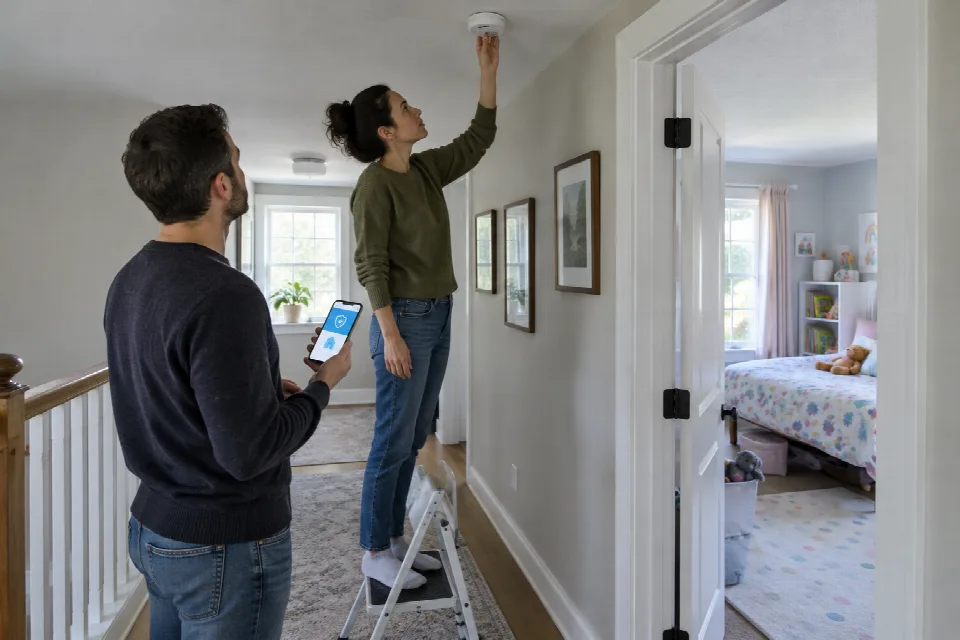
Some insurers offer discounts for features such as smoke detectors, security systems or leak sensors. Larger improvements, such as replacing a roof or updating home systems, may also qualify. Eligibility depends on the insurer and the work or equipment involved.
Before paying for an upgrade mainly to seek a discount, ask the insurer which features qualify, what proof it needs and how the premium would change. Compare that information with the cost of the work. If you have already made an improvement, let your insurer know and ask whether your policy should be updated.
Small claims and annual policy reviews
When a minor repair comes up, you can ask your insurer how a claim would interact with your deductible and any claims-free discount. Paying for a small repair yourself is one option, but the right choice depends on the circumstances and your policy. Ask about reporting requirements and claim details before deciding.
At renewal, set aside time to check the home's details, coverage limits, add-ons and discounts. Then compare fresh quotes using the same coverage. A yearly review will not guarantee a lower bill, but it gives you a chance to spot outdated information and ask about options before the next policy term.
Sources
- https://www.nerdwallet.com/insurance/homeowners/learn/save-on-homeowners-insurance, www.nerdwallet.com
- https://www.insurance.com/home-insurance/home-insurance-basics/how-to-save-on-homeowners-insurance, www.insurance.com
- https://insurify.com/homeowners-insurance/lower-home-insurance-premiums/, insurify.com
- https://finance.yahoo.com/personal-finance/insurance/article/how-to-save-on-homeowners-insurance-205114066.html, finance.yahoo.com
- https://www.candsins.com/blog/how-to-lower-your-premium/, www.candsins.com
- https://insurify.com/homeowners-insurance/home-insurance-discounts/, insurify.com
- https://www.nerdwallet.com/insurance/homeowners/learn/home-insurance-discounts, www.nerdwallet.com
- https://insuranceproagencies.com/learn/home-insurance-save-money, insuranceproagencies.com
Savings ideas, once a week
One short email with new tips and guides. No spam, and you can unsubscribe any time.