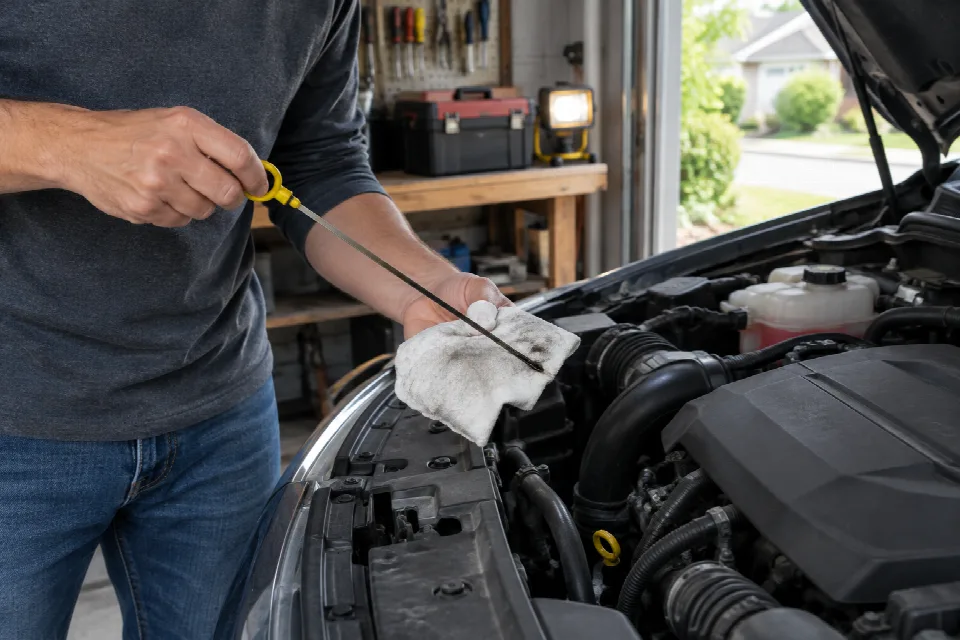
When the family car needs attention, doing the work yourself can seem like an obvious way to keep costs down. You may save on labor, but parts, tools and the possibility of an unsuccessful repair belong in the calculation too. The goal isn’t to do everything yourself; it’s to choose jobs you can complete safely and leave the rest to a mechanic.
How to decide between DIY and a mechanic
Start with the job, not the potential saving. Check your owner’s manual and find instructions for your exact make, model and year. Then ask yourself whether you understand the steps, have the right equipment and can give the work enough time. If the answer is no, getting help is a reasonable choice.
Consider what happens if something goes wrong. A task involving brakes, tires or other safety systems deserves more caution than replacing a filter. You can build confidence with a straightforward job before considering anything more involved.
Routine tasks to consider doing yourself
Some routine tasks can be approachable for beginners, provided the procedure is suitable for the vehicle and you follow its instructions. These include:
- Checking fluid levels and topping up the correct fluids as directed in the manual.
- Replacing windshield wiper blades.
- Replacing an accessible engine or cabin air filter.
- Checking tire pressure and looking at tire tread.
- Replacing an accessible exterior bulb.
Before buying supplies, check the manual for the correct specifications and review how to reach the part. Access varies by vehicle, so a job that looks simple in a general video may not be simple on your car. If the instructions are unclear or you are unsure what you are looking at, stop and ask a mechanic.
When a job calls for more experience or tools
Some jobs sit between basic checks and work best handled by a shop. An oil change, for example, may be an option for someone with the right equipment and vehicle-specific instructions. Battery testing or replacement can also be manageable on some simpler or older vehicles, but it is worth checking the procedure before starting.
Brake pad replacement is another task some experienced owners undertake, but it is not a beginner project. More complex brake systems and hydraulic work are better left to a mechanic. If a job requires you to get under the car, use proper safety equipment and follow the vehicle-specific procedure; don’t improvise if you lack the equipment or experience.
A basic diagnostic scanner may help you gather information when a warning light appears. Treat that information as a starting point rather than proof that a particular part needs replacing. If you cannot confidently identify the problem, book a diagnostic appointment.
When to pay a mechanic
A mechanic is the sensible choice for work that is safety-critical, requires specialized equipment or could cause substantial damage if done incorrectly. Examples include:
- Wheel alignment and tire mounting or balancing.
- Air conditioning refrigerant handling.
- Airbag and other restraint-system work.
- Internal engine or transmission repairs and timing-component work.
- Brake hydraulics, complex brake service and structural damage.
- Advanced diagnostics or programming involving vehicle electronics and driver-assistance sensors.
A shop may also be the better choice when you cannot diagnose a problem, lack a safe place to work or need the car back on a predictable schedule. Ask what the diagnosis and repair involve, request an estimate and check what warranty the shop offers on its work. For recall or warranty-related work, check the instructions from the vehicle manufacturer or dealer before making plans.
How to weigh cost, safety and time
For a fair comparison, list the parts and tools you would need for DIY, then compare that total with a shop estimate. Consider whether you can reuse the tools, how long the job might take and what you would do if you couldn’t finish it. A lower parts bill is less helpful if a mistake means paying for another repair.
Family logistics matter, too. If the car is needed for school runs or work, set aside time when it can be unavailable, along with a backup transport plan. And don’t let a potential saving override concerns about a safety-related job.
Making a maintenance plan for your family car
Use the owner’s manual to identify the checks and services your vehicle needs. Put reminders on a calendar, and keep a record of what was done and when, whether you did the work or a shop did it. Keep receipts and notes with the car’s maintenance records.
Divide the list into tasks you’re comfortable doing and those you’ll book with a mechanic. Review the plan as your skills, tools and family schedule change. A mix of simple DIY and professional service can help you stay on top of maintenance without feeling that every repair has to be a weekend project.
Sources
- https://us.haynes.com/blogs/tips-tutorials/is-it-cheaper-to-fix-your-car-yourself-or-take-it-to-a-mechanic, us.haynes.com
- https://www.cars.com/articles/which-car-maintenance-can-you-do-yourself-522159/, www.cars.com
- https://us.haynes.com/blogs/tips-tutorials/when-to-diy-your-car-repair-and-when-to-leave-it-to-the-shop, us.haynes.com
- https://www.consumerreports.org/cars/car-maintenance/your-car-repair-handbook-a6260449103/, www.consumerreports.org
- https://www.consumerreports.org/cars/car-repair-maintenance/car-care-basics-for-first-time-owners-a4141980086/, www.consumerreports.org
- https://us.haynes.com/blogs/tips-tutorials/diy-or-dealership-how-to-know-when-to-tackle-repairs-yourself, us.haynes.com
- https://thedailyautomotive.com/diy-car-repair-vs-professional-mechanic-when-to-choose/, thedailyautomotive.com
- https://www.jalopnik.com/2058911/car-maintenance-jobs-left-to-professionals/, www.jalopnik.com
Savings ideas, once a week
One short email with new tips and guides. No spam, and you can unsubscribe any time.